

After years of lifting consultations, you often come face to face with the fact that people who receive treatment with the same device end up feeling different results. AllTight, Titanium, and ONDA are technically similar lifting-family treatments, but in the actual clinic the variables I look at first to explain differences in outcome are not the device name, but the timing of the procedure and a personalized plan — these two.
Why results differ even with the same lifting treatment
Some patients describe a clear change after just one session, while others are disappointed by a smaller change than they expected. Rather than the device being the problem, in most cases the starting point of the procedure and a plan suited to that skin were missing.
If you keep repeating procedures but they aren't going in the direction you want, it is faster to re-check the timing and the plan before switching devices.
Of course, there is room for improvement in any condition. If you had lifting elsewhere but didn't feel the effect, it is not uncommon in the clinic to see the direction change simply by realigning the two axes of timing and plan. In fact, I've explained a bit more about why the duration differs even with the same device in Why AllTight's duration varies from person to person.
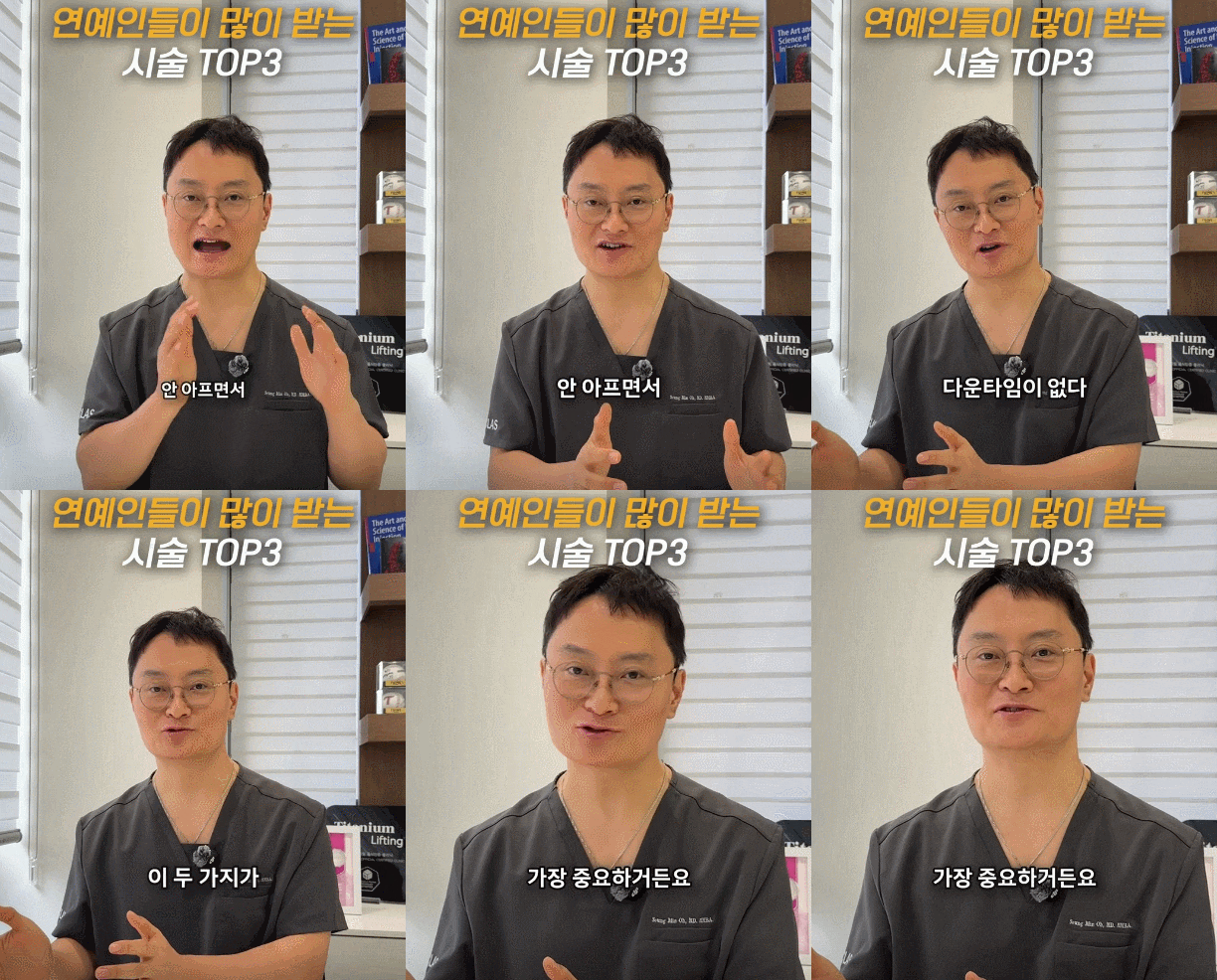
So I ask about the timing of the procedure first
The first axis that affects the result is the starting point. Among patients who had the procedure at an early aging stage — before sagging sets in earnest, just as elasticity begins to drop — some describe relatively clear changes in skin texture and elasticity.
Conversely, if sagging and volume loss have already progressed considerably, more time and more sessions may be needed to reach a satisfying change. Some patients also experience inconvenience during recovery, which is why judging the timing matters. When I assess timing, I generally check the following points.
- Whether elasticity decline is only just beginning, or has already crossed over into sagging
- Whether skin thickness and fat volume can withstand the heat energy
- Whether there are risk factors such as cheek hollowing or facial sinking
In particular, for patients whose skin is very thin or who lack fat, there can be a risk of cheek hollowing, so I always address this in the pre-procedure consultation. I have organized the relevant criteria in How I view AllTight when cheek hollowing is a concern, which you may find helpful to read alongside this. The number of sessions and the degree of improvement all differ according to individual skin condition.
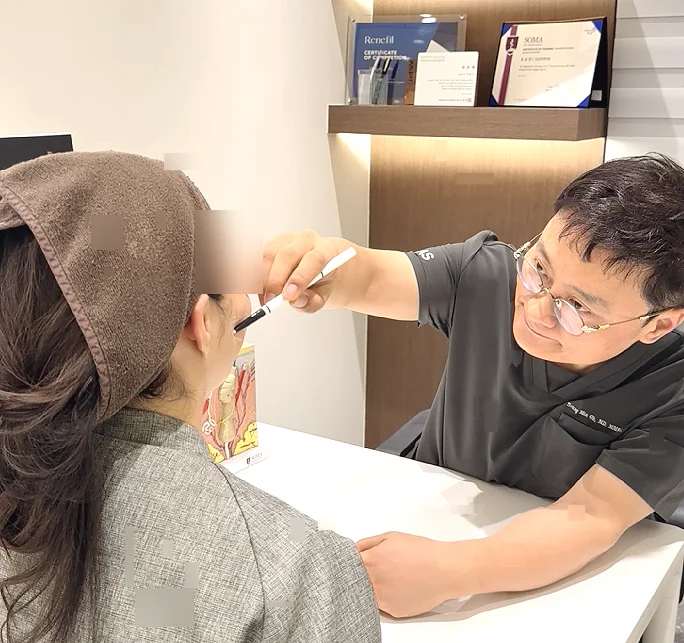
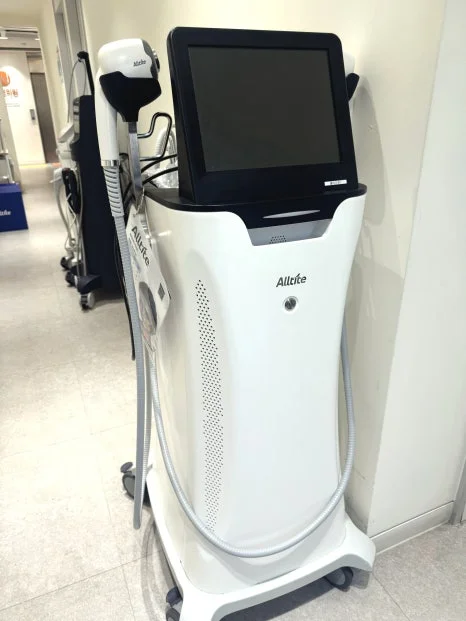
Where do AllTight, Titanium, and ONDA act?
The second axis is a plan suited to that skin. The three procedures act on different skin layers in different ways, so even if you start at the right time, a plan that doesn't fit makes it hard to reach the result you want. Let me first organize the differences among the three in a table.
| Procedure | Main layer acted on | Energy method | Expected pattern seen in the clinic |
|---|---|---|---|
| AllTight | SMAS fascia layer | High-intensity focused ultrasound | Improvement of jawline and cheek sagging |
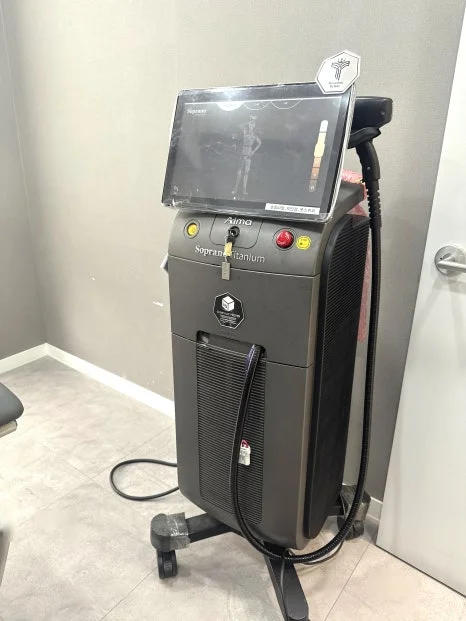
| Titanium | Dermis | Radiofrequency thermal energy | Skin elasticity and collagen regeneration |
| ONDA | Fat layer and dermis | Microwave | Elasticity change and partial volume refinement |
The SMAS fascia layer is a membrane tissue that covers the muscle deep within the skin, and it is the point AllTight targets. Titanium warms the dermis above that to induce regeneration, while ONDA acts on both the fat layer and the dermis. That the layers differ means that when the concern is different, the priority is different too. Why I judge Titanium by depth rather than by the number of shots is written separately in Titanium Lift as explained in the clinic.
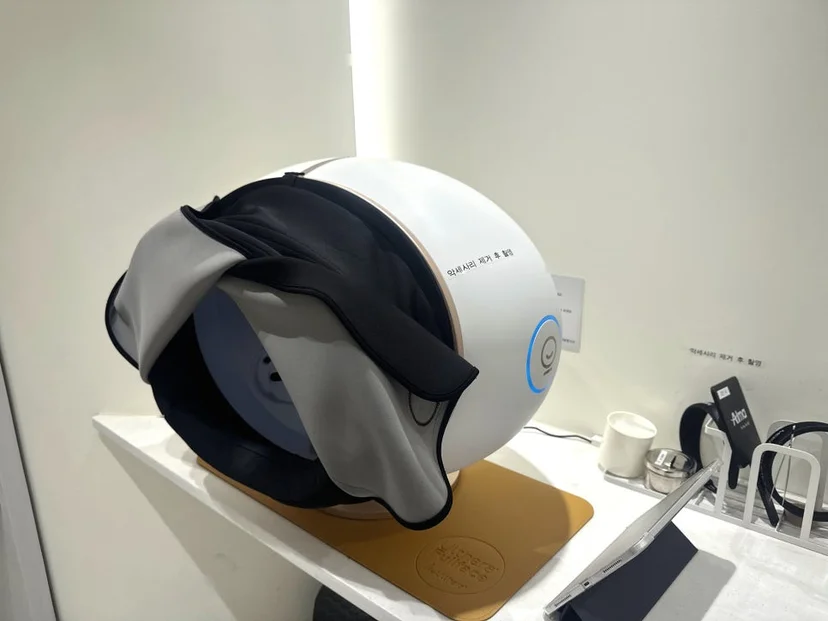
The three procedures can be used alone, or combined depending on skin condition. Which combination fits depends on skin thickness, fat volume, and the degree of sagging. At On Clinic, we measure these factors with the AI skin analyzer Muse and then propose a combination. Every procedure can have different effects and responses depending on the individual's condition, so even after the procedure we watch the progress and readjust the plan if needed.
If a question comes up, you are welcome to press Consult via chat and ask comfortably.
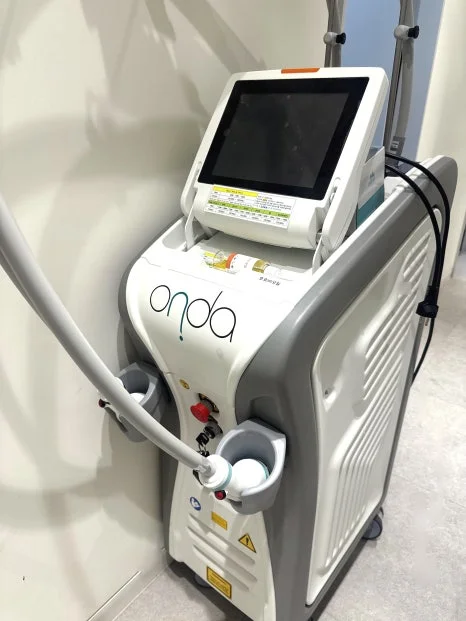
The order I follow in a consultation
Lifting is a procedure with large individual variation. A good plan does not guarantee everyone the same result, but a fitting plan clearly raises the likelihood of a good outcome. The order I follow in a consultation is generally this.
- Objectively measure skin thickness, fat volume, and degree of sagging with Muse
- Sort out the priority of the concern (sagging, elasticity, or volume) separately
- Choose a standalone or combination plan according to the layer
- Watch the progress after the procedure and readjust the plan for the next session
In particular, how I set the intensity plan as one enters their 40s is covered case by case in Why I look at intensity first for elasticity procedures in your 40s. As much as the information about the procedure itself, reviewing your own starting timing and plan together affects the result.
A summary of frequently asked questions
Which of AllTight, Titanium, or ONDA suits me?
The three differ in the layer and method they act on, so the suitable choice varies with skin thickness, fat volume, and degree of sagging. Whether to use one alone or to combine them also changes with your condition, so it is safer to decide after measurement and consultation.
When is a good time to start lifting?
If it is an early stage — before sagging sets in earnest, just as elasticity begins to drop — it can be relatively favorable for feeling the change. If sagging and volume loss have already progressed, it may take longer to reach the result, and individual variation is large.
Why didn't it work when I had it elsewhere?
It is possible that the starting timing didn't fit, or that a plan suited to the skin was missing. In many cases the process of objectively measuring thickness, fat volume, and sagging and planning accordingly is what determines the result.
Can I still have it if my skin is thin or I have little fat?
It is possible, but there can be risks such as cheek hollowing, so it must be addressed in the consultation. In such cases, the intensity and combination are planned more cautiously.
How long does the effect last?
The duration has large individual variation depending on skin condition, the pace of aging, and lifestyle. Since it helps to check the progress and adjust the plan even after the procedure, I recommend deciding the direction of aftercare together in the consultation.
If you are weighing up lifting, the right order is to look at timing and plan together before choosing a device. Through consult via chat now, you are welcome to comfortably ask about the direction that fits your condition.
Recovery and downtime
AllTight, Titanium, and ONDA are lifting treatments carried out with heat energy rather than incisions, so right after the session you may notice mild redness, a tingling or warm sensation, and light swelling in some areas. These reactions tend to settle within a few days, though there is individual variation depending on the intensity, the treated range, and your skin condition. Everyday activities are generally possible from the same day, but it is advisable to avoid excessive stimulation of the treated area, saunas, and strong massage for a few days. If you are concerned about how recovery will go, it is worth checking in advance during the consultation.
How the cost is structured
The cost of lifting is less a single fixed price than a combination of several factors. The main ones are the skin thickness, fat volume, and degree of sagging confirmed by Muse measurement; whether AllTight, Titanium, or ONDA is used alone or in combination; the treatment range and area (full face or a specific region); the session plan; and whether aftercare is included. Even with the same device, a different plan means a different make-up of the cost, so the exact cost is provided after measurement and consultation.
Visiting Korea for aesthetic care
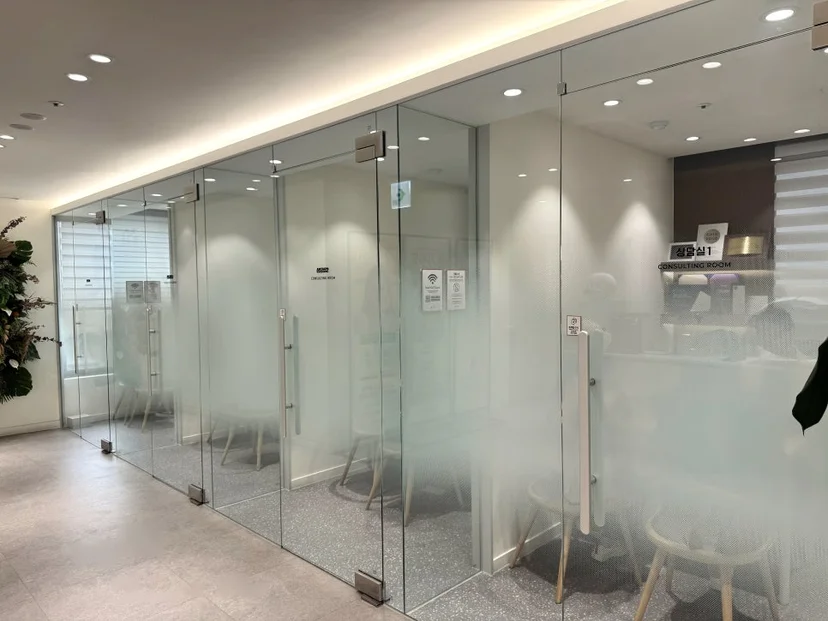
On Clinic is located within walking distance of Gangnam Station on the Seoul subway, which is convenient if you are visiting Korea. Since lifting is a treatment where the timing and the plan should be reviewed together, letting us know your current concerns and preferred direction in advance through consult via chat now makes the visit smoother. Multilingual consultation and interpretation are available, and at the visit we review a plan suited to your condition after Muse measurement.
Written by Dr. Oh Seung-min (Director of On Clinic; graduate of Seoul National University College of Medicine; Chair of the Academic Committee of the Korean Society for Laser Dermatology and Hair). Detailed credentials can be found under Meet the medical team. First published 2026-06-07 / Last reviewed 2026-07-09
This article is intended to provide general information; suitable treatment and results may vary depending on individual condition.


