

During lifting consultations in the clinic, I get asked "Is AllTight better, or is Ultherapy better?" almost every single time. Each time, instead of giving an immediate answer, I first feel the skin. That is because the two procedures are not in a relationship of superior versus inferior; they are closer to tools that solve different problems. In this article, I want to explain, in the language of the exam room, the difference in how the two devices work and the criteria I use to decide which direction to take.
Both are lifting, so why can't it be settled with just one
AllTight and Ultherapy both deliver thermal energy into the skin to help manage the elasticity of sagging tissue. Their goals are similar, but the paths diverge in what kind of energy is delivered to which depth. It is similar to how, when smoothing out a wrinkled garment, pressing with an iron is different from steaming to relax the fabric.
So the question "which of the two is better" only yields an answer once you rephrase it as "does my skin's problem lie in depth or in breadth."
Ultherapy, the method of focusing on a single point and going deep
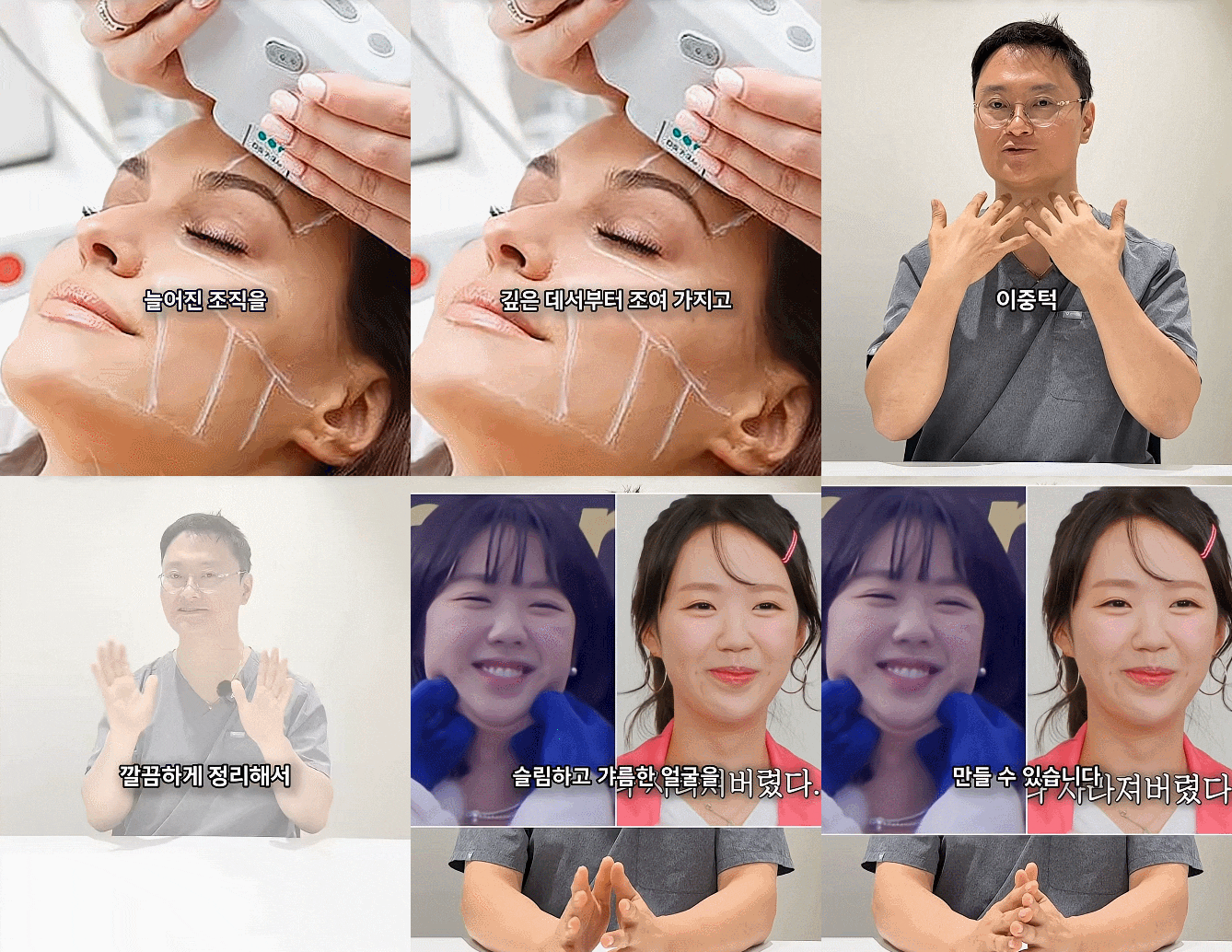
Ultherapy uses high-intensity focused ultrasound (HIFU). The key is that it concentrates energy on a single point to reach the SMAS (musculoaponeurotic layer), a deep layer of the skin. This SMAS layer is known to be the same layer addressed in facelift surgery in plastic surgery, and by creating thermal coagulation points precisely in that layer, it helps manage elasticity.
One more characteristic is added here: the energy can be delivered to the desired depth while the skin layers are visually confirmed on an ultrasound screen. This also means the practitioner adjusts how deep and how much to go while watching which layer is being reached.
If, when you look in the mirror, your jawline or cheeks have visibly dropped and feel heavy, you may consider Ultherapy-type procedures that reach the deep layers. It tends to be highly useful in situations where sagging has progressed to some degree and a deeper approach is needed.
That said, because it is a method in which strong energy is concentrated in the deep layers, you may feel comparatively more sensation during the procedure. If the skin is thin or fragile, strong ultrasound energy can become a burden, so depending on the skin thickness and condition, it is sometimes more appropriate to adjust the intensity or choose a different approach. A question that often comes up here is the difference in technique, and reading the article on the difference between two-handed and one-handed Ultherapy alongside this will help your understanding.

AllTight, the method of warming broadly and evenly
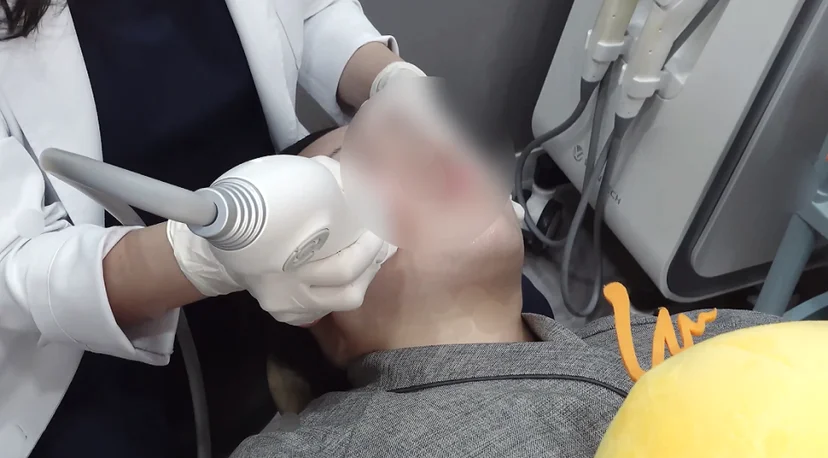
AllTight is a radiofrequency (RF) device that applies the DLTD method. It is known to target the dermis and the SMAS layer together, and rather than concentrating on a single point, it delivers heat evenly over a wide area, which gives it a different character from Ultherapy.
Because of this characteristic, I often think of AllTight in the following cases.
- When the main concern is an overall decline in elasticity rather than significant sagging
- When you want to manage fine lines, skin texture, and tone together with elasticity
- When it is your first lifting procedure and strong sensation feels like a burden
Because it is known to cause comparatively less sensation, people who are sensitive to pain or trying lifting for the first time tend to feel less burdened. Conversely, layering an unnecessarily strong procedure onto skin with almost no sagging can instead become a burden, and in such cases AllTight becomes an option that helps with an approach suited to the skin condition.

Seen in a table, their characters become clearer
Comparing the direction of the two procedures at a glance looks like the following. Think of it not as a table showing that one side is superior, but as a table showing that each takes on a different role.
| Category | Ultherapy | AllTight |
|---|---|---|
| Energy | High-intensity focused ultrasound | DLTD radiofrequency |
| Delivery method | Focused on a single point, going deep | Broadly and evenly |
| Main target layer | Deep SMAS layer | Dermis and SMAS layer |
| Well-suited concern | Distinct sagging and heaviness | Overall loss of elasticity and texture |
| Level of sensation | May be felt comparatively strongly | Known to be comparatively milder |
For deep sagging, Ultherapy may suit better, while for elasticity over a wide area and skin texture management, AllTight may suit better. If you are curious about what I look at first when combining the two procedures, I covered it in more detail in the article organizing the criteria for whether sagging or elasticity comes first.
Get a consultation now via chat
So what criteria do I use to decide the direction
The axes I look at when deciding the direction in the exam room are largely twofold. Since these are aspects hard to gauge accurately by self-assessment alone, an examination before the procedure is essential.
- The degree and depth of sagging — If distinct sagging and change in the deep layers are needed, I first consider Ultherapy-type procedures that reach the SMAS layer; if the concern is an overall decline in elasticity or skin texture, I first consider AllTight.
- Skin thickness and pain sensitivity — If the skin is thin or fragile, strong ultrasound can become a burden, so adjusting the intensity or an AllTight-side approach may be safer; and if you are sensitive to pain, I start with a procedure that causes less sensation or check whether the place provides sufficient pain management such as anesthesia and sedation.
Depending on the case, the two procedures are sometimes combined to manage the deep layers and the surface separately. However, whether to combine them and in what order is decided after examining the skin thickness and degree of sagging; it is not something set in advance based on the procedure name alone.
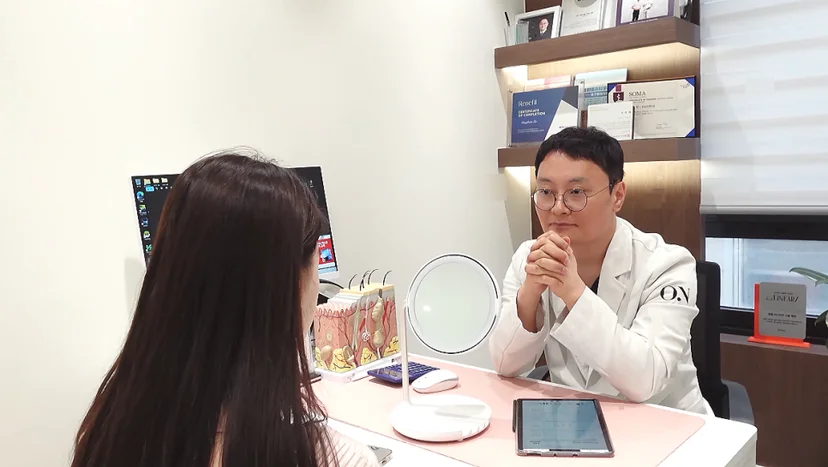
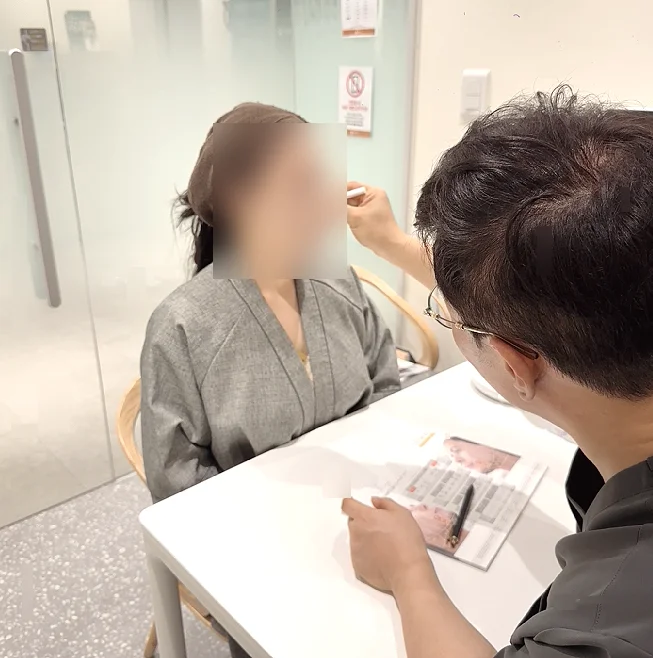
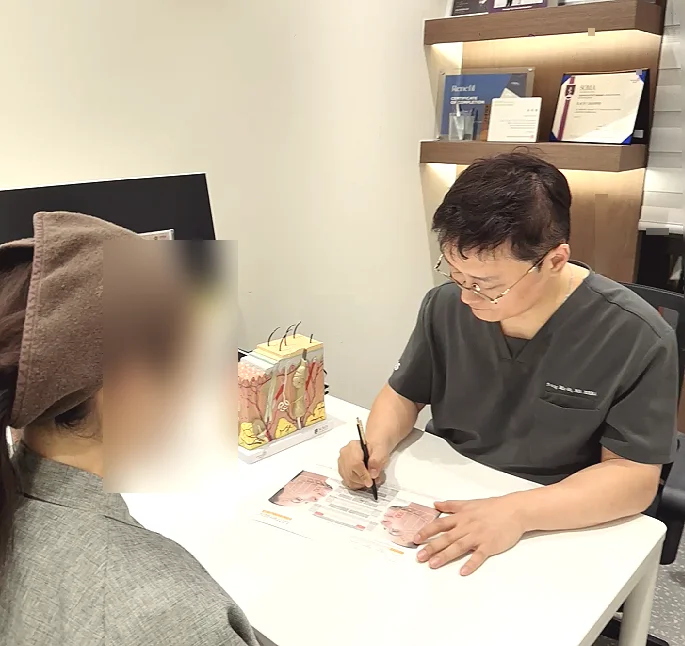
A good consultation is not one that says "this device is the best," but one that says "for your skin right now, this side is the fit." Whether a place identifies your skin condition first before proposing a procedure is a selection criterion that comes ahead of the device name.
Safety before the procedure, this part I always make sure to point out
For both Ultherapy and AllTight, the effect and response can differ depending on each individual's skin condition. After the procedure, pain, redness, swelling, and a sensation of heat may appear in the treated area, and rarely, temporary changes in sensation due to a burn or nerve stimulation may occur.
That is why whether the procedure is applicable and at what intensity must be decided through a physician's examination and consultation. Even if the procedure you want is already set, I recommend also taking into account the judgment that, given your current skin condition, a different approach may be more appropriate. If you are considering an elasticity procedure by age group, the article organizing the criteria to check before an elasticity procedure in your 40s also helps in setting a direction.
Because individual differences are large, rather than deciding based on someone else's experience or the procedure name alone, the proper order is to first check your own skin condition right now.


Frequently asked questions
Between AllTight and Ultherapy, which procedure is more effective?
It is hard to say that either is absolutely superior. Ultherapy is an ultrasound method that reaches the deep layer (SMAS), so it is highly useful when sagging has progressed to some degree, while AllTight is a radiofrequency method that delivers heat evenly over a wide area, so it often suits an overall decline in elasticity or skin texture management. Since the suitable procedure differs depending on the individual's skin condition, it is important to decide the direction through an examination before the procedure.
Can I receive AllTight and Ultherapy together?
Depending on the skin condition, you may consider a method that combines the two procedures to manage the deep layers and the surface together. Whether to combine them and the order of the procedures is appropriately decided after examining the skin thickness and degree of sagging and discussing it with the medical staff.
Is the Ultherapy procedure more painful?
Because Ultherapy is a method that intensively delivers strong energy to the deep layers, it is often felt more than AllTight. AllTight is known to cause comparatively less sensation, so people who are sensitive to pain or trying lifting for the first time tend to feel less burdened. However, since the degree of pain varies by individual, I recommend checking in advance whether the place provides sufficient pain management such as anesthesia and sedation.
If my skin is thin, is it okay to receive Ultherapy?
If the skin is thin or fragile, strong ultrasound energy can become a burden. In such cases, adjusting the energy intensity or approaching with AllTight may be safer, and I recommend deciding the direction only after first checking the skin thickness and condition through an examination before the procedure.
Can reactions occur after AllTight and Ultherapy procedures?
Both procedures may cause pain, redness, swelling, and a sensation of heat in the treated area, and rarely, temporary changes in sensation due to a burn or nerve stimulation may occur. Since the effect and response differ depending on the individual's skin condition, I recommend receiving sufficient consultation before proceeding.
If you have any questions, you can feel free to inquire through Get a consultation via chat.
Recovery and downtime
Because Ultherapy and AllTight use thermal energy without any incision, most people can return to their daily routine the same day. Right after the procedure, redness, swelling, a tingling feeling, or a sensation of heat may appear in the treated area, but these tend to settle within a few days, and the degree of reaction and the pace of recovery vary from person to person. In particular, Ultherapy-type procedures that concentrate energy in the deep layers may be felt a little more during and after treatment, while AllTight, which warms broadly, is known to cause comparatively milder reactions. Afterward, keep to basic care such as moisturizing and sun protection, and if an unusual reaction lasts a while, have it checked through an examination.
How the cost is made up
The cost of energy lifting is not set as a single fixed price; it is shaped by several factors: which device is used (Ultherapy or AllTight), the treatment area (the whole face versus a partial area such as the jawline or cheeks), the number of shots (lines) delivered, whether the two procedures are combined, and whether aftercare is included. So even for the same area, the guidance can differ depending on the skin condition and goal. The exact cost is explained during the consultation after examining the skin thickness and degree of sagging; rather than fixing it in advance from the procedure name alone, the proper order is to decide the scope through an examination.
For visitors coming to Korea
On Clinic is located near Sinnonhyeon and Gangnam Station in Gangnam, Seoul, making it easy to reach by subway and within walking distance for visitors. Which direction, Ultherapy or AllTight, suits you can only be judged accurately by examining the skin in person, so if you are planning a trip, you can ask questions in advance through chat consultation. We can assist with reservations and consultation in multiple languages, so please feel free to check available times and arrange your visit before you travel.
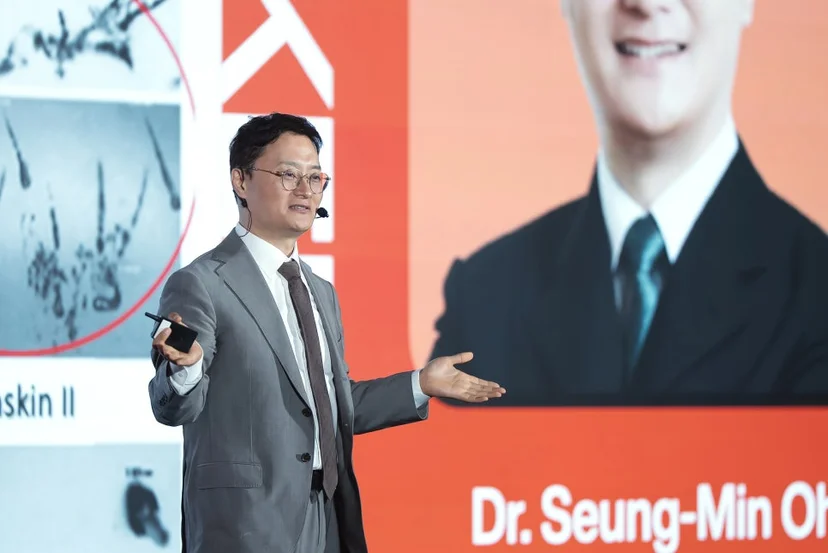
Written by Dr. Oh Seung-min (Director of On Clinic, graduate of Seoul National University College of Medicine, Chair of the Academic Committee of the Korean Society for Laser Dermatology and Hair). Detailed credentials can be found at Meet the Medical Team. First published 2026-06-29 / Last reviewed 2026-07-09
This article is intended to provide general information, and the appropriate treatment and results may vary depending on individual conditions.


