

In the consultation room, I often hear people in their 30s say their skin isn't what it used to be. Yet even among people of the same age, some are troubled first by fine lines, others by thin and sensitive skin, and still others by localized volume. That's why, rather than naming a procedure first, I start by sorting out which category the concern belongs to.
Why does skin in your 30s feel different than before
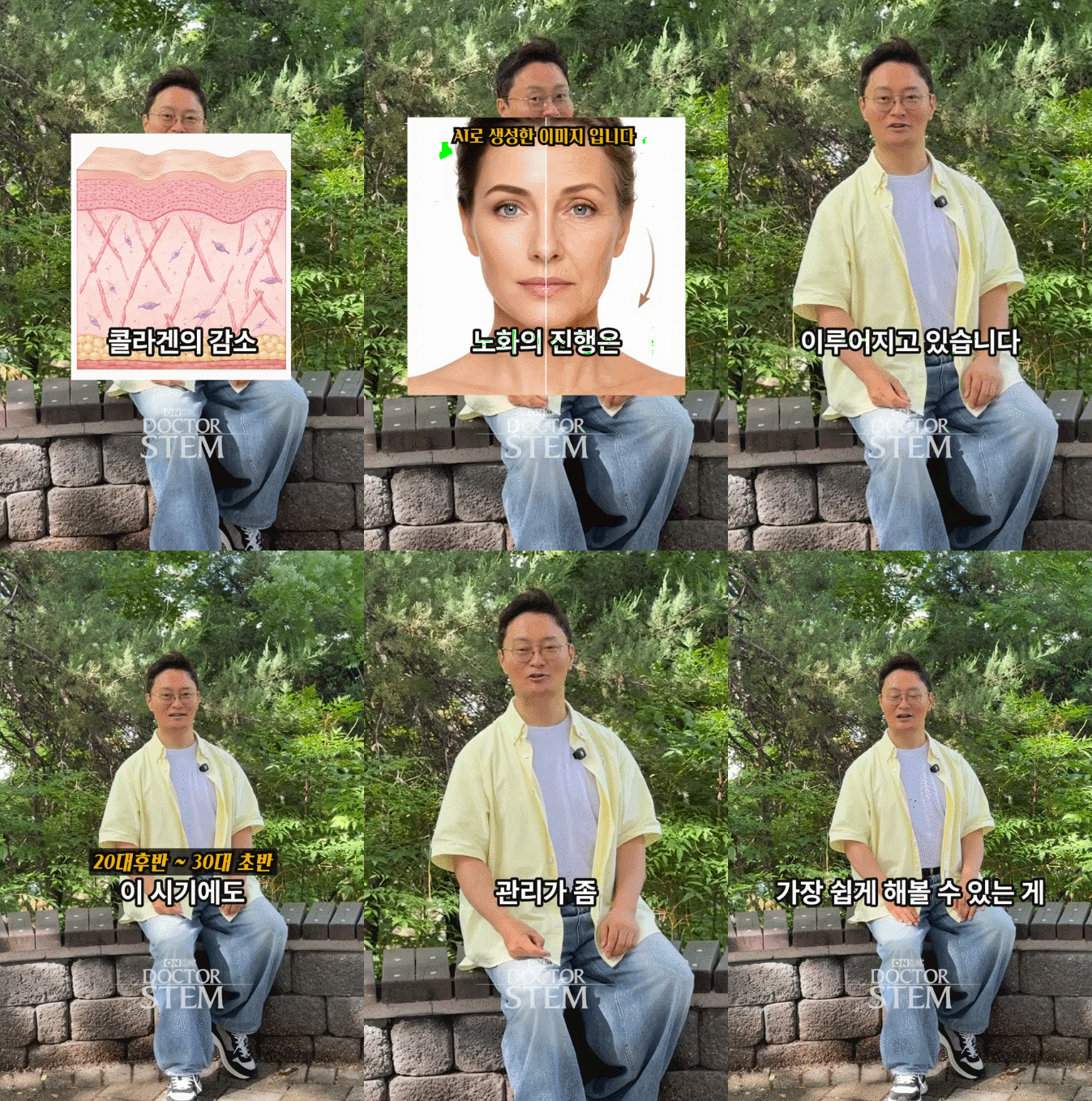
The late 20s to early 30s is known to be the period when collagen gradually declines and skin aging slowly begins. Skin no longer bounces back as quickly after a night's sleep as it once did, and fine lines and expression lines starting to appear one by one are the representative changes of this time.
It's not yet the stage where severe sagging shows up. Still, because changes can accumulate quickly if left unattended, rather than overreaching for aggressive procedures, setting a direction that fits your current skin concerns can be helpful over the long term.
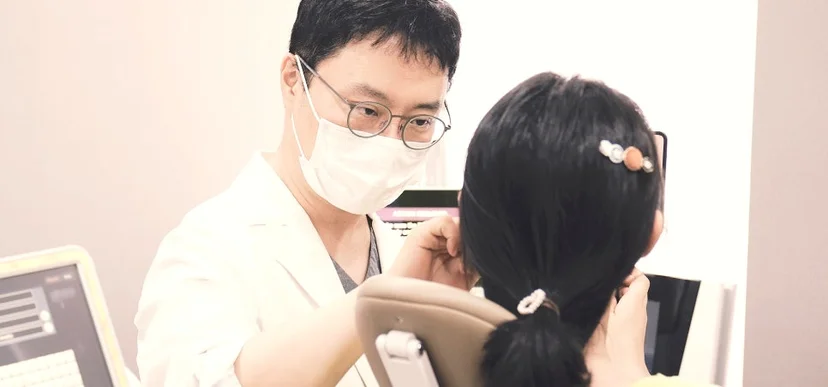
Why I sort 30s concerns into three branches in the consultation room
The thing people in their 30s who come for a consultation say most often is, "I don't know which procedure to start with." At this point, dividing the concerns broadly into three branches makes it much easier to set a direction.
| Main concern | Approach considered first in the consultation room | Points to check during consultation |
|---|---|---|
| Fine lines / expression lines | Rejuran for skin texture, Botox for expression lines | A cycle and dosage plan that accounts for resistance |
| Thin, sensitive skin | Approaching Oligio at a lowered intensity | Output designed to match skin thickness |
| Volume / pain burden | Contouring injection, Titanium Lift, AllTight | Fat-volume measurement and pain sensitivity |
Even within the same age group, skin thickness, fat volume, and pain sensitivity differ, so confirming which branch you stand in first becomes the starting point for choosing a procedure.
When fine lines and expression lines come together, how do you set the direction
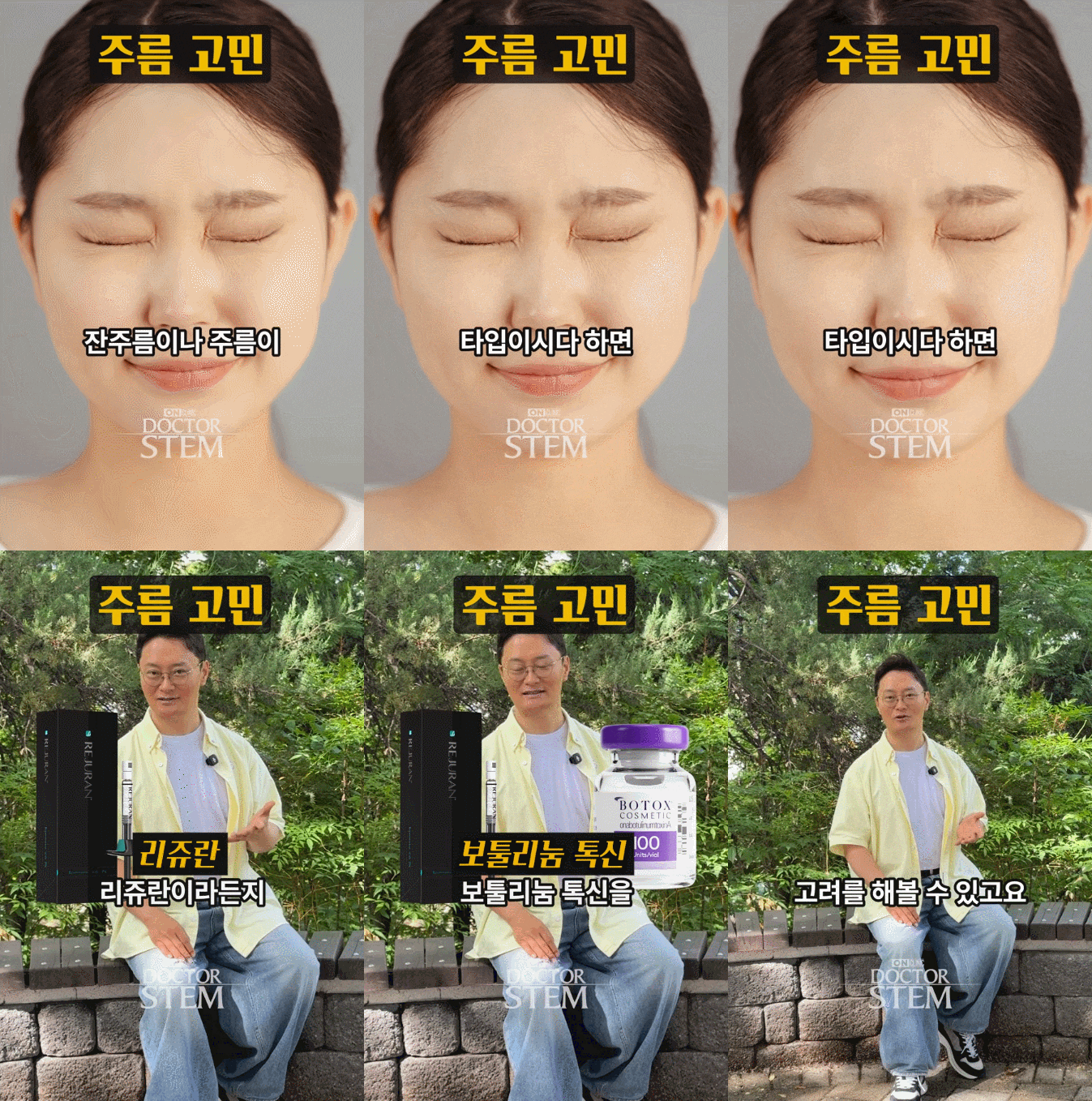
For fine lines caused by declining collagen, Rejuran is often used to improve skin texture, while for wrinkles that form when making expressions, Botox (botulinum toxin) is a common approach. If both concerns are present, combining them may also be considered. The perspective of separating out the causes of wrinkles is explained in a little more detail in an article that organizes why the procedure differs by wrinkle type.
Rejuran is known to work by supporting the skin's own regenerative capacity, and beyond fine lines, it is often used for overall skin-texture improvement. That said, results may vary depending on each person's skin condition.
There is one thing about Botox I especially want to point out.
There is a view that repeating botulinum toxin too often and excessively can lead to antibody formation, so that even the same dose may be less effective than before.
That's why, rather than simply getting it frequently, it is recommended to treat only the necessary areas with an appropriate cycle and dosage. It's a good idea to check during consultation whether the clinic specifically explains "a cycle and dosage that account for resistance."
If your skin is thin and sensitive, we look at the intensity again first
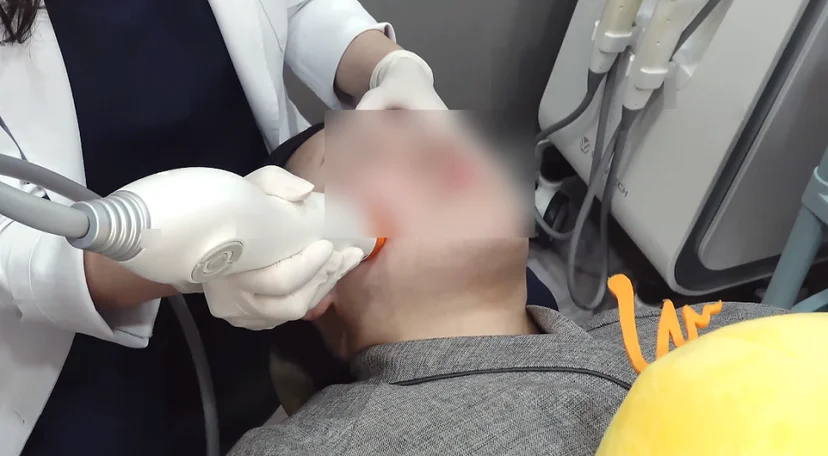
Among people in their 30s, those with naturally thin skin or skin sensitive to stimulation may find high-intensity procedures burdensome. For these people, Oligio can be considered as a relatively gentle method.
Oligio is a procedure known for delivering heat into the skin to help with firmness management. Because its intensity can be lowered even for thin and delicate skin, there are cases where it is used on skin sensitive to stimulation. That said, even with the same device, it's important to finely adjust the output intensity according to skin thickness and condition. If you're curious about the differences between devices that look similar in kind, I also recommend an article that breaks down the difference between Oligio and ONDA by skin type.
Skin thickness and sensitivity are often difficult to judge with the naked eye. If you choose a place that checks the skin condition with measuring equipment and then designs the procedure intensity, it can help you proceed more safely. During consultation, ask, "Do you adjust the intensity to fit my skin condition?" and compare whether it's a place that examines your skin first and then makes a plan.

When your questions won't come together, asking first is quicker than searching alone. Get a consultation now via chat
Options for when you're worried about pain or concerned about volume
Many people also hesitate out of concern about procedure pain. If you want to reduce the pain burden, you can consider relatively less irritating procedures such as Titanium Lift and AllTight. If you're curious about how Titanium Lift works, you may also read an article summarizing the effect and duration of Titanium Lift. Of course, pain sensitivity varies from person to person, so it's good to discuss it thoroughly in a preliminary consultation.
Concerns about facial fat also need to be divided up. Up until the early 30s, partial excess volume is a more common concern than severe sagging. In this case, managing partial fat with a contouring injection may be more suitable than lifting.
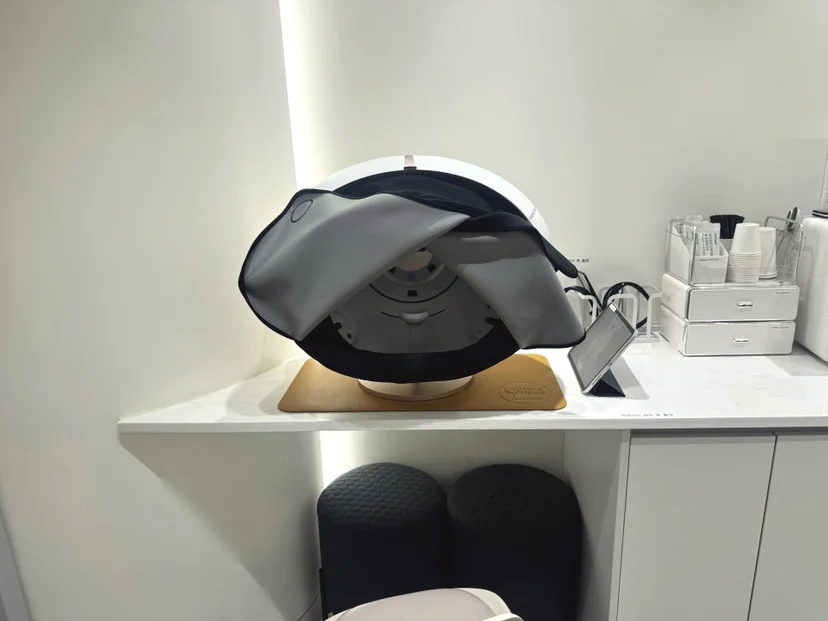
To sum up, even within the same 30s, the right procedure differs according to skin thickness, fat volume, and pain sensitivity. It can help to choose a place that analyzes skin thickness and fat volume using tools such as AI skin-measurement equipment, and then designs a procedure tailored to the individual based on those results.
Here are some reactions that are good to know before a procedure.
- The effects and reactions of each procedure, such as Rejuran, Botox, Oligio, Titanium Lift, and contouring injection, may vary depending on individual skin condition.
- Swelling, redness, bruising, and pain may appear at the treated area.
- In the case of Botox, temporary changes in muscle movement may accompany it.
Whether a procedure is applied and its intensity and combination must be decided through examination and consultation with medical staff.

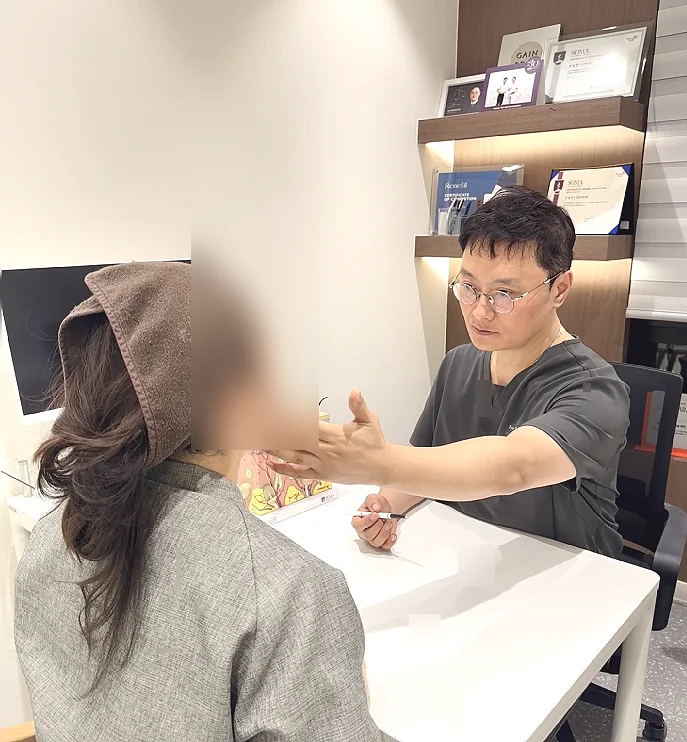
Before deciding on a procedure, what should you check first
The most important standard in 30s skin care is not the procedure that many others get, but choosing the procedure that fits your own skin condition. Depending on skin thickness, fat volume, wrinkle type, and pain sensitivity, the suitable direction differs even within the same age group. Organized as steps, it goes like this.
- Before the consultation, first figure out whether your main concern is fine lines, loss of firmness, partial volume, or pain burden.
- Check whether the place measures skin thickness and condition before the procedure and, based on those results, designs the intensity and combination.
- Considering that this is not care that ends in one session but a long-term process, set a direction that fits your skin from the start.
Procedure effects vary from person to person, and no procedure can guarantee results. Setting realistic expectations through thorough consultation and building a plan with trustworthy medical staff is a safe start. How care in your 30s carries on afterward can be connected in an article covering the standards to check before firming procedures in your 40s.
Frequently asked questions in the consultation room
I'm in my early 30s. Isn't it too early to get a lifting procedure? The early 30s is a time when fine lines, loss of firmness, and partial-volume concerns are more common than severe sagging. Rather than strong lifting, approaching in a direction that fits your current concerns, such as Rejuran, Oligio, or a contouring injection, may be suitable, and since it can vary depending on individual skin condition, I recommend confirming it through consultation.
Do you build resistance if you get Botox often? There is a view that repeating botulinum toxin excessively can lead to antibody formation, so that even the same dose may be less effective than before. It is recommended to treat only the necessary areas with an appropriate cycle and dosage, and it's good to check during consultation whether they explain a plan that accounts for resistance.
My skin is on the thin and sensitive side. Is it okay to get Oligio? Oligio is known as a method that delivers heat into the skin to help with firmness management, and by adjusting the intensity, it can be approached even on thin or sensitive skin. However, the intensity must be designed to fit individual skin thickness and condition, and effects and reactions may vary from person to person.
For 30s facial-fat concerns, which is more suitable, lifting or a contouring injection? Up until the early 30s, sagging is often not severe, so managing partial fat with a contouring injection may be more suitable than lifting. Since it can vary depending on fat volume and skin condition, I recommend deciding after a consultation that includes measurement.
Why is skin measurement before a procedure important? Skin thickness, fat volume, and the degree of firmness loss are difficult to judge accurately with the naked eye. Analyzing these factors with measuring equipment makes it possible to design the intensity and combination to fit the individual, which helps in setting a more suitable direction.
If you can't get a sense of which branch your concern is closest to, please feel free to inquire through get a consultation via chat.
Recovery and downtime: it varies by procedure
Injectable treatments often used for skin in your 30s, such as Rejuran, Botox, and contouring injections, may leave redness, swelling, or light bruising at the needle sites, though these tend to settle within a few days, with individual variation. Energy-based lifting such as Oligio, Titanium lift, and AllTight may bring a sense of warmth, flushing, or tingling right after the session, which is reported to calm down over time. Because recovery depends on the area treated, the intensity, and your skin condition, it helps to choose a time when your schedule has some breathing room.
How the cost is put together
Even for the same procedures in your 30s, several factors shape the cost: the measurement step that gauges skin thickness and fat volume before treatment, the range of areas addressed, the type and dosage of the combination (Rejuran, Botox, contouring injections, and so on), and whether follow-up aftercare is included. Rather than fixing on a specific figure in advance, it is more reasonable to confirm a plan suited to your concerns through measurement and consultation, and then receive precise cost guidance.
Visiting for aesthetic care in Korea
ON Clinic sits within walking distance of Sinnonhyeon Station and Gangnam Station, so it is easy to reach during a trip to Seoul. For visitors coming from abroad, consultation with language support and interpretation can be arranged, and organizing your questions before the visit makes the in-room consultation smoother. Feel free to arrange a reservation or ask questions through get a consultation via chat.
Written by: Dr. Oh Seung-min (Director of ON Clinic, graduate of Seoul National University College of Medicine, Chair of the Academic Committee of the Korean Society for Laser Dermatology and Trichology). Detailed credentials can be found at Meet the Medical Team. First published 2026-06-23 / Last reviewed 2026-07-09
This article is intended to provide general information; suitable treatment and results may differ depending on individual condition.


