

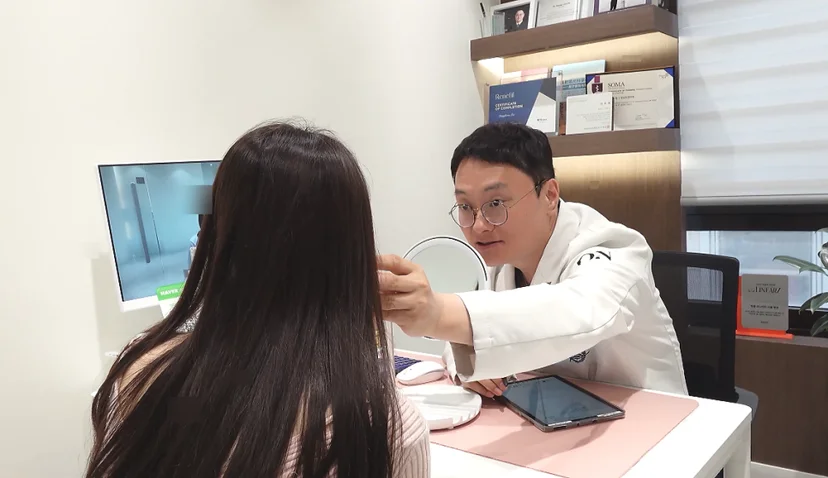
When patients come in for a consultation about elasticity treatments in their 40s, the first question usually starts with "Which device is the best?" But before I mention any device name, I always ask back: whether their skin tends to be thin, which area's sagging concerns them most, and how much UV exposure they usually get. Because even with the same device, the intensity and combination change completely depending on these answers.
What to look at before the device name in elasticity treatments for your 40s
Using an expensive, well-known device does not always lead to consistently satisfying results. Only when the treatment is designed after fully reflecting your skin's usual condition, the degree of sagging, and the areas where elasticity has declined does the likelihood of experiencing a change close to your expectations increase.
Let me give an example from one extreme. If skin tends to be thin and sensitive but is pushed with high output, the stimulation can become excessive and cause discomfort such as redness or breakouts. The opposite case also exists. If only low output is applied to skin where sagging has progressed considerably, it can be hard to feel a noticeable change.
That is why it matters whether the medical staff examines the following together during the consultation stage.
- Skin texture and thickness
- Degree of decreased elasticity
- Area where sagging has begun
- UV exposure and lifestyle habits
Whether the treatment is designed step by step at an intensity suitable for your skin, taking all of these factors together, affects both a stable process and the results. As much as the completeness of the treatment itself, the process of finding 'the intensity and combination that suit me' is what determines the result, and that is the first criterion.
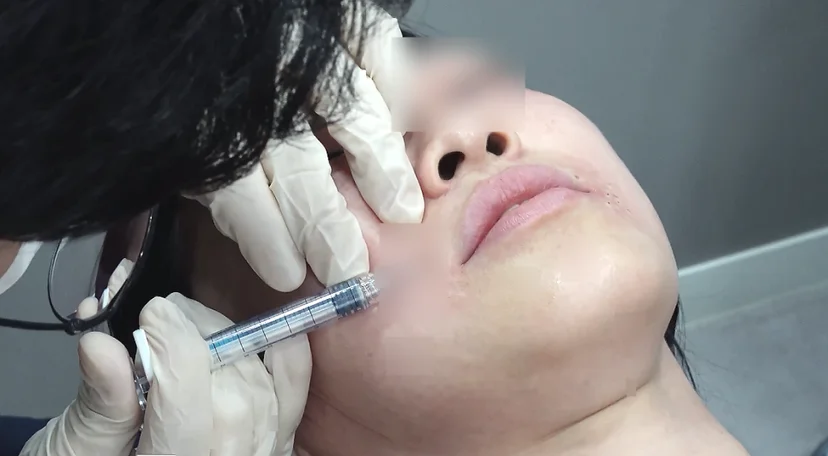
How are Ultherapy, Thermage, and skinboosters used differently for people in their 40s?
The three treatments often mentioned for elasticity in your 40s differ in the layer of skin they approach and their purpose. Sorting out this difference first makes it much easier to design a combination.
| Category | Layer approached | Main intended purpose |
|---|---|---|
| Ultherapy | Deep skin layer, ultrasound energy | Sagging jawline and facial contour |
| Thermage | Dermal layer, heat stimulation | Elasticity care, fine lines and pores |
| Skinbooster | Regeneration and hydration environment inside the skin | Skin texture improvement combined with lifting |
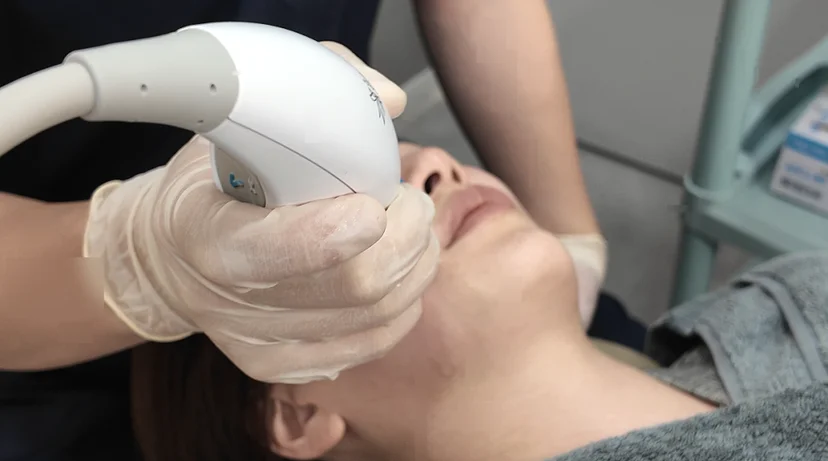
Ultherapy delivers ultrasound energy to the deep layers of the skin and can help manage facial contours that have lost elasticity. It is known as a lifting treatment considered by people in their 40s, when aging begins in earnest, and is used as a way to approach contour changes such as a sagging jawline or double chin. If you are curious about what to check before the treatment, you may also refer to Key information to know before Ultherapy Prime treatment.
Thermage delivers heat stimulation to the dermal layer, focusing on elasticity care. Receiving it at the point when aging starts to progress rapidly can help slow the pace of elasticity decline, and improvements in fine lines and pores can also be expected. However, effects and responses differ depending on each person's skin condition. Regarding the commonly misunderstood relationship between pain and effect, the idea that 'the more it hurts, the better', I covered it in more detail in Misconceptions surrounding Thermage pain and effect.
Skinboosters such as Retigen and Rejuran are often considered in combination with lifting treatments like Ultherapy or Thermage. It is a way of managing elasticity and contour with lifting while filling in the skin's regeneration and hydration environment with a skinbooster. If your concern is refining texture, such as fine lines around the eyes or forehead, how to use skinboosters for fine lines is also helpful to refer to.
In the end, even with the same treatment, the result differs depending on whether it was combined and its intensity designed to suit your own skin. Rather than simply receiving a 'treatment known to be good' as is, it is safer to sufficiently check with medical staff how each treatment connects to your skin's particular concerns.

Whether to finish with a single treatment or manage it in split cycles is also a frequent question. I have organized this part separately in Between a 6-month and 1-year Ultherapy cycle, the standard that suits my skin, so if cycle design is a concern, I recommend reading it together.
The grade of a device does not decide the result; what decides the result is which layer, at what intensity, and in what combination that device is used.
If you can't get a feel for the treatment combination, you can also comfortably tell us about the area that concerns you most right now through getting a consultation by chat now.
How do you judge whether a place properly explains the characteristics of each treatment?
Many people refer to acquaintances' reviews or online ratings when choosing a dermatology clinic. However, it is hard to assume that a 'good' experience will apply to you in exactly the same way. What really matters is why that treatment was chosen and what connection it had to that person's skin concerns.
Check whether the medical staff specifically explains each treatment's layer of action, purpose, and expected effects and limitations during the consultation. A place that points out why this treatment is suitable for you is better in terms of trustworthiness than a consultation that only lists device names and prices. For an article that develops this perspective further, there is Criteria for filtering out places that recommend a treatment first.
I also recommend checking whether they inform you in advance of responses that may appear after treatment, such as swelling, redness, pain, and a sensation of heat. Whether a treatment is applied, along with its intensity and combination, varies depending on each person's skin condition, so it must be decided through examination and consultation. Asking on what criteria the treatment is composed, and directly checking whether that answer sufficiently reflects your skin condition and concerns, is the starting point of a wise choice.

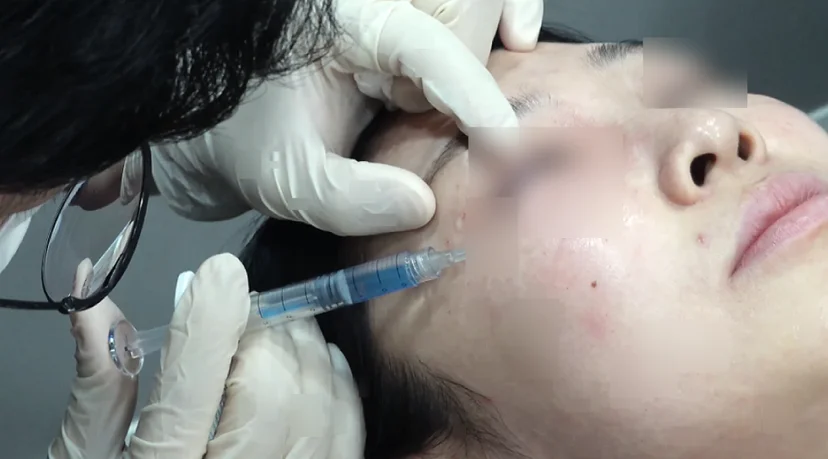
If you organize things in this order before the consultation, you save time
If you are considering an elasticity treatment in your 40s, it is good to organize a few things for yourself before the consultation. Let me go through them in order.
- Decide which area concerns you most. Clarify your purpose first, whether it is sagging or texture improvement.
- Ask how they examine your skin condition during the consultation. Check whether they look not only at visible sagging but also at skin thickness, the degree of elasticity decline, and lifestyle habits.
- Request an explanation of how the recommended treatment approaches which of your skin's concerns.
- Understand in advance the aftercare methods, expected responses, and the direction of follow-up care after the treatment.
Temporary swelling or a sensation of heat that may appear right after the treatment varies from person to person. The effect and its duration can also differ depending on skin condition, lifestyle habits, and post-treatment care, so rather than relying on expressions that guarantee a specific result, it is better to set realistic expectations that suit your skin.

Wrapping up
The two criteria that divide the results of elasticity treatments in your 40s come down to this. First, whether your skin condition is examined in detail, down to thickness and the areas of sagging. Second, whether it is explained how the recommended treatment connects to your concerns. If it is a consultation where these two are sufficiently observed, the device name can be left as a secondary matter. If you are curious about the intensity and combination that suit your skin, please feel free to inquire through get a consultation by chat.
Frequently asked questions
For elasticity treatments in your 40s, which is better, Ultherapy or Thermage?
Ultherapy and Thermage differ in the skin layer they approach and their purpose. Ultherapy delivers ultrasound energy to the deep layers of the skin and can help with contour lifting, while Thermage gives heat stimulation to the dermal layer and approaches elasticity care and the improvement of fine lines and pores. Which one is more suitable varies depending on skin condition and concerns, so it is important to decide on a treatment that suits your individual condition through consultation.
Should skinboosters be received together with a lifting treatment?
Skinboosters such as Rejuran and Retigen are used on their own, but they are also often combined with lifting treatments like Ultherapy or Thermage. Managing elasticity and contour with lifting while filling the skin's hydration and regeneration environment with a skinbooster can help when you expect complex skin improvement. However, whether to combine them is best decided after consulting with medical staff, according to individual skin condition and purpose.
To what degree can swelling or redness appear after an elasticity treatment?
After elasticity treatments such as Ultherapy and Thermage, swelling, redness, a sensation of heat, and pain may appear at the treated area. The degree and duration of these responses differ depending on individual skin condition and treatment intensity, so it is good to check the expected responses and aftercare methods in advance through sufficient consultation before the treatment.
What should I check during a consultation for an elasticity treatment in your 40s at a Gangnam dermatology clinic?
First, check whether the medical staff examines your individual skin condition in detail, such as skin thickness, degree of elasticity decline, area of sagging, and lifestyle habits. Second, ask how the recommended treatment connects to your skin concerns and whether they specifically explain the purpose and characteristics of each treatment. Whether these two are sufficiently carried out can be the key criterion for choosing a treatment.
My skin is thin and sensitive; can I still receive an elasticity treatment?
If your skin is thin and sensitive, applying a high-output treatment as is can cause discomfort such as redness or breakouts. Therefore, it is important that the medical staff closely check your skin condition and design the treatment step by step at an appropriate intensity. Whether a treatment is possible, along with the appropriate intensity and combination, must be decided through examination and consultation.
Recovery and downtime
After energy-based lifting such as Ultherapy or Thermage, you may notice mild redness, a warm sensation, tingling, or slight swelling right after the treatment; these reactions tend to settle within a few days, though this varies from person to person. With skinboosters such as Rejuran or Retigen, small red spots or minor swelling can remain briefly at the injection sites but are generally reported to ease over a short period. Returning to daily life is usually relatively quick, but because recovery depends on the treated area, intensity, and combination, it is best to follow the aftercare guidance you receive.
How the cost is structured
The cost of an elasticity treatment in your 40s is not a single fixed figure; it is shaped by several factors. It varies with the coverage (number of shots) and treated areas of Ultherapy or Thermage (jawline, cheeks, forehead, and so on), the type of skinbooster and whether it is combined, and how much aftercare is included. Because the same device is designed with a different intensity and combination for each skin condition, the exact cost is provided after a consultation that checks your skin. Knowing in advance what each item includes makes comparison easier.
Visiting Korea for aesthetic care
ON Clinic is within easy walking distance of Gangnam Station, so getting here during a trip to Korea is straightforward. Multilingual consultation is available to help international visitors understand which treatment and what intensity or combination may suit their skin. If you would like to ask before your visit, you can start with chat consultation now and tell us the area you are most concerned about.
Written by: Dr. Oh Seung-min (Representative Director of ON Clinic, graduate of Seoul National University College of Medicine, Chair of the Academic Committee of the Korean Society for Laser Dermatology and Trichology). You can find his detailed background in Meet the medical team. First published 2026-06-16 / Last reviewed 2026-07-09
This article is intended to provide general information, and the appropriate treatment and results may vary depending on individual conditions.


