

When I ask patients about their post-procedure care in the exam room, the most common answer is "I'm diligently applying my regeneration cream." A regeneration cream is certainly a helpful part of your care. But whether you can place the entire weight of lasting results on that one thing alone is a slightly different story.
A regeneration cream is care that supports recovery; it is not a device that protects the results of a procedure on its own. For results to settle in for the long term, the suitability of the procedure itself, care throughout the recovery period, and consistent moisturizing all need to come together as a single flow.
The question that should come before regeneration cream
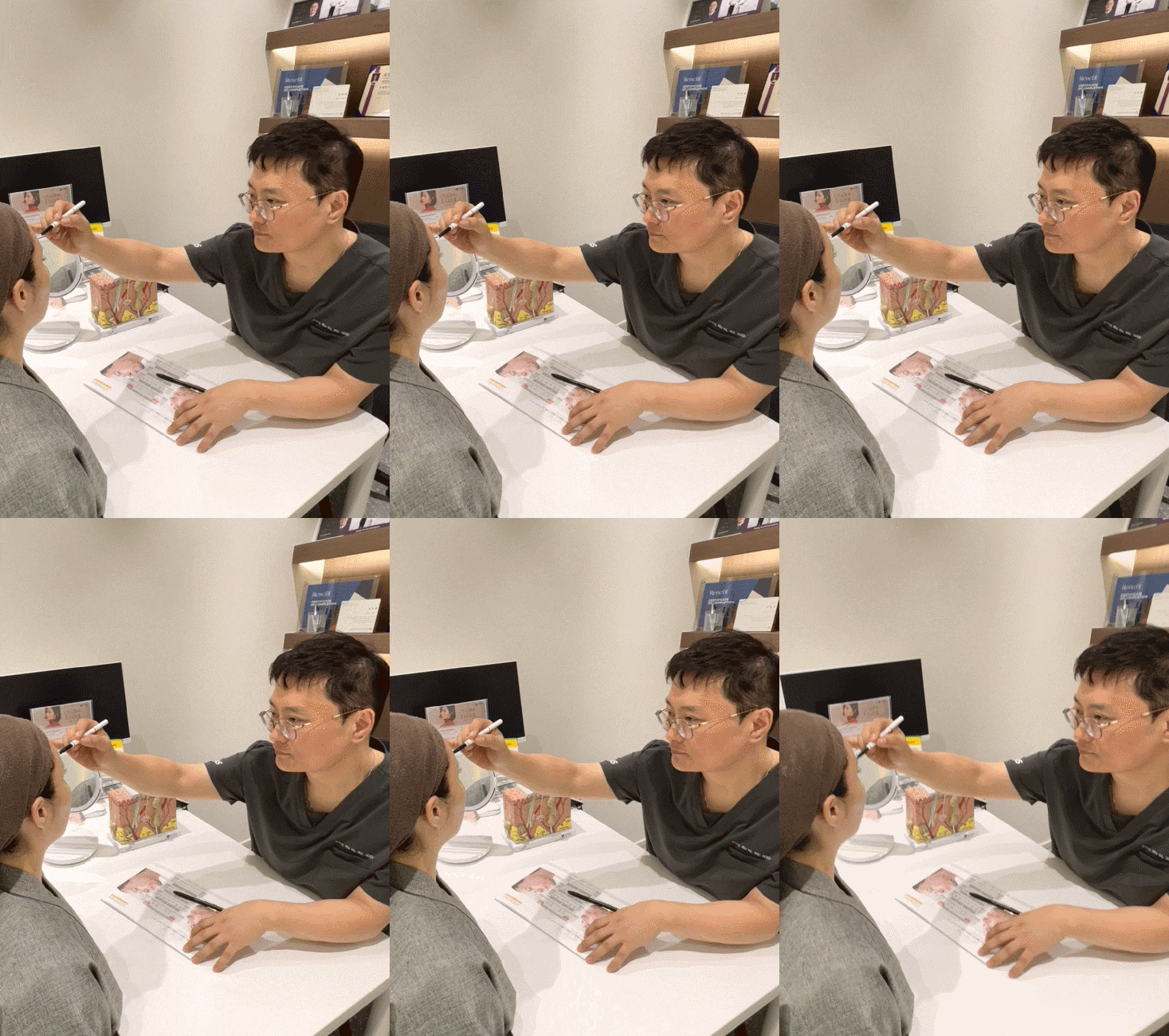
Before post-procedure care, the first thing to examine is whether the procedure was performed in a way that suits your own skin condition. No matter how faithfully you follow aftercare, if the laser lifting was performed at an intensity that did not suit your skin, there are cases where the expected results are hard to achieve.
Only when a procedure is precisely designed with an intensity and method suited to your skin condition can the results last long once care is added on top. This is why the process of carefully evaluating your skin condition before the procedure and designing the procedure accordingly becomes the starting point of the result. This perspective aligns with the criteria discussed in A clinic's perspective that screens out places pushing procedures from the start.
For example, if you objectively check your skin condition with something like an AI skin analysis device and then design the procedure, it can help reduce unnecessary stimulation and deliver exactly the energy that is needed. When the first button is fastened correctly, the effects of the care that follows are fully realized as well.
Why you should not let the recovery period slip by after laser lifting
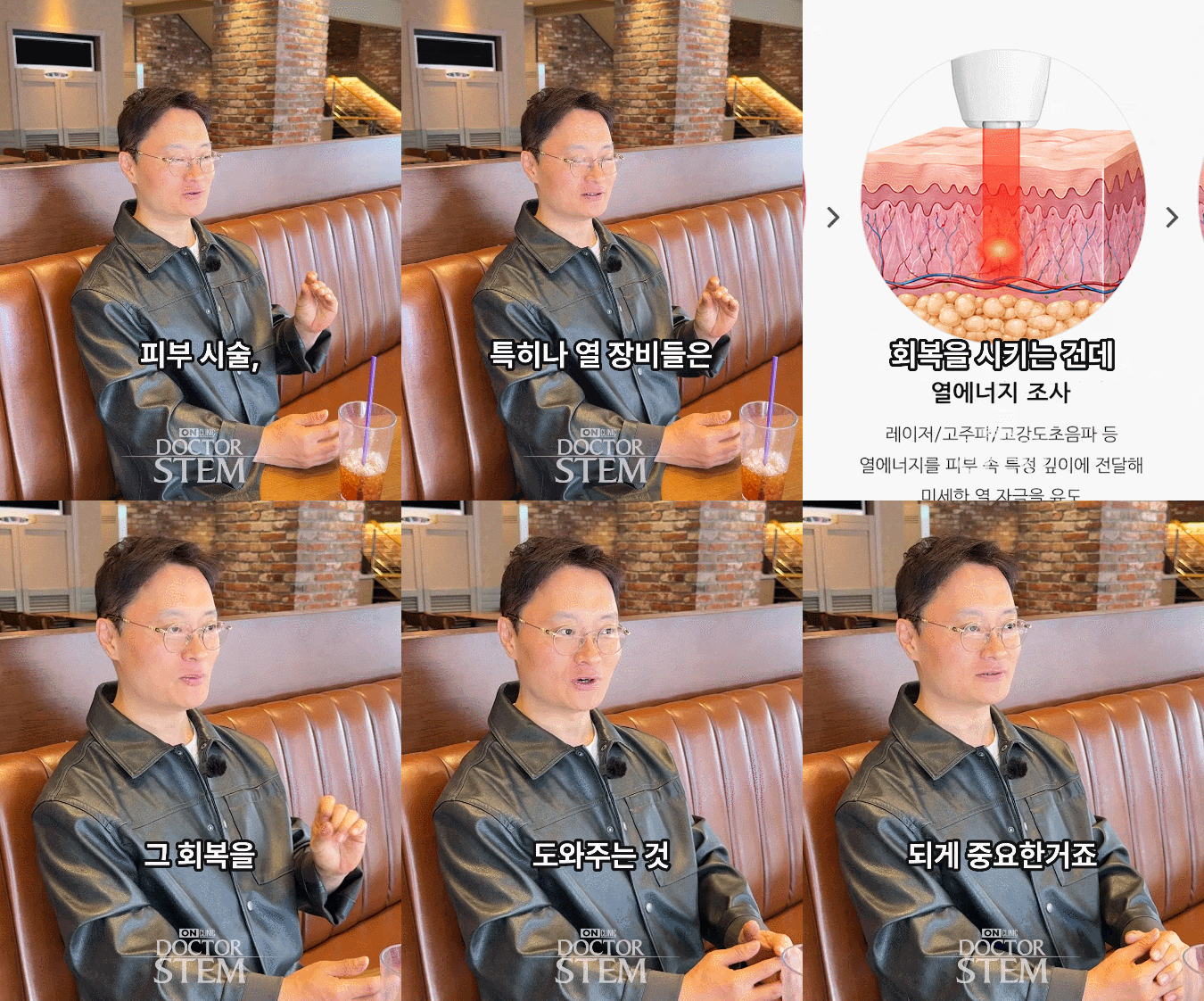
The experience of results not lasting as long as expected often stems from insufficient care of the recovery process. Laser lifting-type procedures, which irradiate the skin with thermal energy, are known to work on the principle that they give the skin fine stimulation, after which collagen regenerates during the recovery process.
This means that the moment right after the procedure is not the end. The effect settles in while the stimulated skin recovers stably. If care is neglected during this period, the expected regeneration effect may not appear sufficiently, or the skin's condition may even become disrupted.
The basics to pay particular attention to during the recovery period are as follows.
- Never skip sun protection
- Stabilize the skin barrier with sufficient moisturizing
- Refrain from actions that strain the skin
Because they seem obvious, these items are all the more easy to miss. Consistently keeping these basics during the recovery period plays a big role in helping the procedure's effect settle stably into the skin.

If you would like to be guided on recovery-period care starting from the procedure design stage, referring to Things to check before an Oligio X procedure may help. Feel free to leave any questions comfortably through Get a consultation via chat now.
How far does a regeneration cream help, and from where can it no longer?
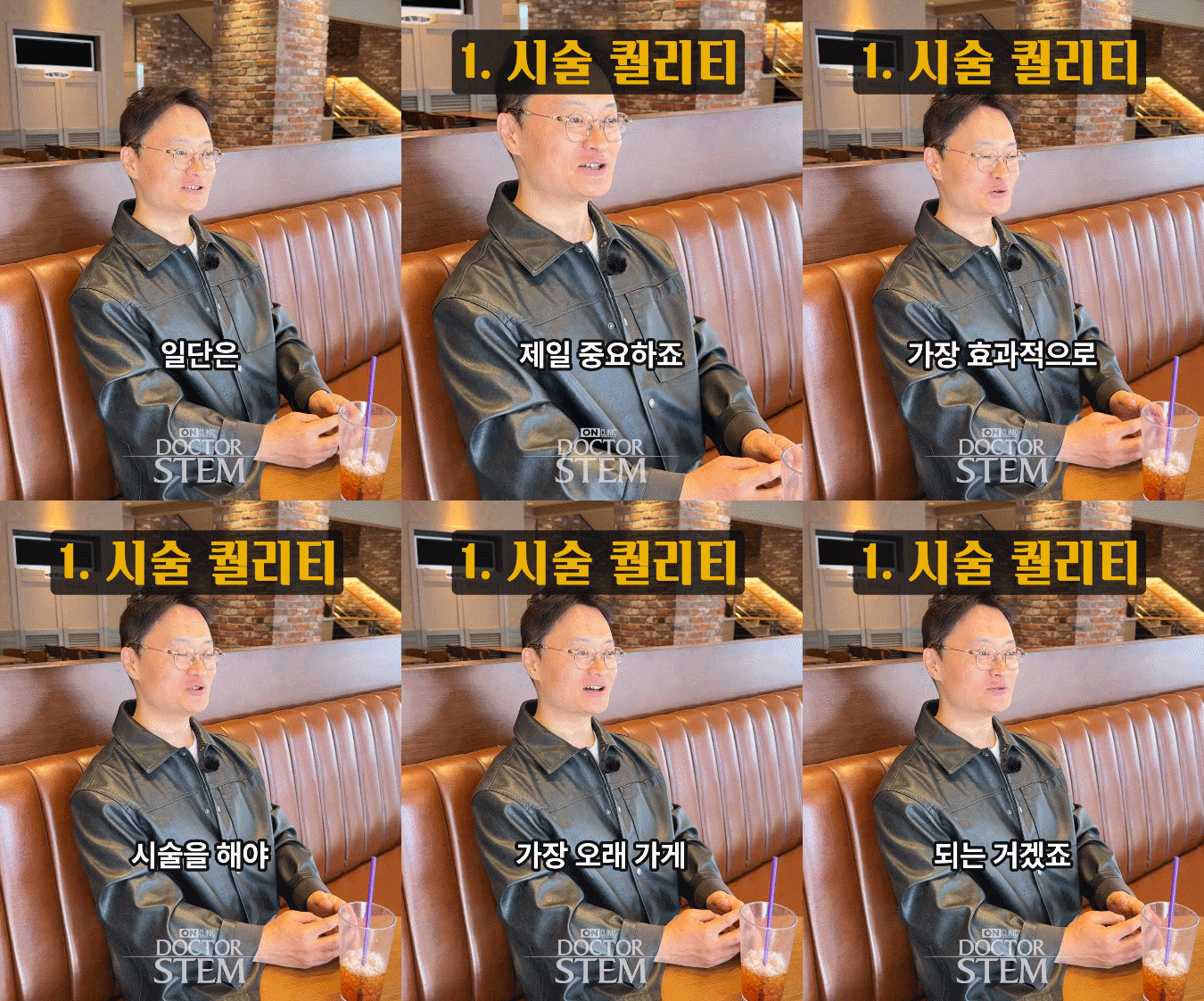
A regeneration cream is the moisturizing means you can most easily take care of during the recovery period after a procedure. Skin that has been touched by thermal energy tends to become temporarily dry and sensitive after the procedure, and at this time, filling it with moisture using a regeneration cream to stabilize the skin barrier can make the recovery process go much more comfortably.
That said, a regeneration cream's role goes only as far as supporting recovery. That alone does not complete post-procedure care. Only when the suitability of the procedure and care throughout the recovery period are both in place does the regeneration cream's role truly shine.
Even for the same procedure, the duration of the effect varies depending on how you manage the recovery period. Keep up moisturizing care including a regeneration cream consistently, but it is better to carry it out alongside sun protection and lifestyle-habit management. The perspective of tailoring the procedure design itself to the skin condition continues in The design criteria for recommending Oligio for skin in your 20s as well.
The three axes that carry results for the long haul
To maintain the effects of a dermatology procedure for a long time, three factors need to move together. It also means that doing only one of them well can leave the others holding you back.
| Axis | What to take care of | Why it matters |
|---|---|---|
| Precise procedure | Design of intensity and method suited to the skin condition | The starting point of the result; if it goes off, care alone struggles to make up for it |
| Recovery-period care | Sun protection, refraining from strenuous actions | Governs the condition during the period when collagen regenerates |
| Sufficient moisturizing | Barrier stabilization with a regeneration cream and the like | Makes the recovery of sensitized skin more comfortable |
If you have been wondering whether a regeneration cream alone is enough, now I recommend also examining, starting from the pre-procedure consultation stage, whether a design suited to your own skin is being carried out and whether you are being sufficiently guided on recovery-period care methods.
A skin procedure is a single process that includes not just the day of the procedure but the care that follows. If you want to enjoy the results for a long time, choosing a medical institution where guidance on aftercare and continued attention are provided together is also a good criterion. The discussion of how the approach changes according to age and elasticity condition can be explored further in Criteria to check before an elasticity procedure in your 40s.

Questions frequently received in the exam room
Is post-procedure care complete once I apply the regeneration cream? A regeneration cream is important moisturizing care that supports recovery, but that alone does not complete all care. Whether the procedure was performed in a way suited to your own skin condition, and whether sun protection and lifestyle-habit management are kept up during the recovery period, affect how long the effect lasts.
What should I be most careful about during the recovery period after laser lifting? Sun protection, sufficient moisturizing, and refraining from actions that strain the skin are the basic principles of the recovery period. Because thermal-energy procedures work on the principle that collagen regenerates during the skin's recovery process, care during this period can affect the final result.
Why does the same procedure last a different amount of time for different people? The duration varies depending on how well the intensity and method of the procedure were designed to suit the individual's skin condition and how consistently the recovery period was managed. Individual differences based on personal skin condition and lifestyle habits also exist.
Why is skin measurement before the procedure important? Designing the intensity and method after objectively grasping the skin condition helps reduce unnecessary stimulation and deliver exactly the energy that is needed. When the starting point is set well, the effects of subsequent care are also more likely to be fully realized.
From when and how should I use a regeneration cream? During the period when the skin becomes temporarily dry and sensitive after a procedure, filling it with moisture using a regeneration cream and stabilizing the barrier is helpful. For the specific timing and method of use, following the guidance of the medical institution that performed the procedure is most appropriate.
If you are unsure about the direction of care after the regeneration cream, it is faster to have your condition checked and set a direction than to judge on your own. Get a consultation via chat
Recovery and downtime
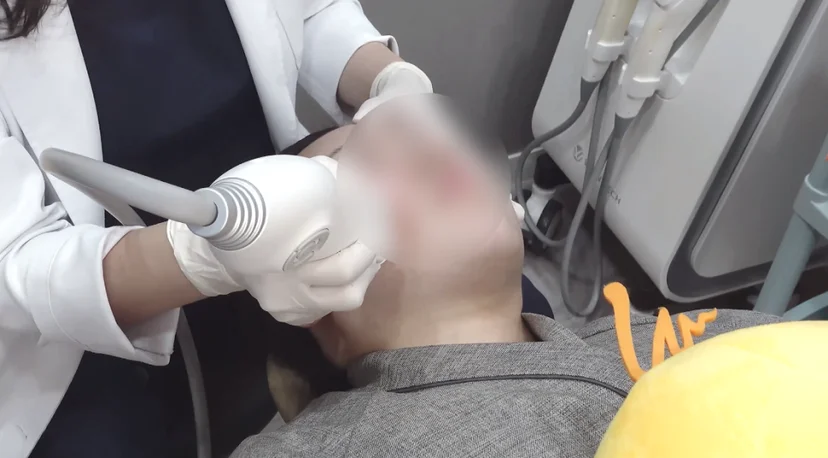
Laser lifting that uses thermal energy may cause mild redness, a tingling sensation, and in some areas a feeling of warmth or slight swelling right after the procedure, but such reactions tend to subside within a few days and vary with each person's skin condition. As noted above, keeping up sun protection and sufficient moisturizing during the recovery period helps you get through this time more comfortably. If you are concerned about the degree or duration of these reactions, it is best to receive recovery guidance suited to your own skin at the pre-procedure consultation.
How the cost is structured
Rather than being one fixed figure, the cost of laser lifting depends on the pre-procedure skin measurement and assessment, the range and areas treated, the intensity, and how far aftercare including a regeneration cream is included. Even for a procedure with the same name, the makeup can differ when the design approach and scope of care differ, so it is better to check what is included than to compare the price alone. The exact cost can be guided during a consultation after your skin condition is checked.
Visiting Korea for aesthetic care
On Clinic is located near Sinnonhyeon Station in the central Gangnam area of Seoul, within easy reach by subway. For those considering aesthetic care while visiting Korea, multilingual consultation and interpretation support as well as reservation guidance are available. You are welcome to have your skin condition measured and to consult before deciding on a procedure, so please feel free to leave a message anytime via Get a consultation via chat.
Written by: Dr. Oh Seung-min (Director of On Clinic, graduate of Seoul National University College of Medicine, Chair of the Academic Committee of the Korean Society for Laser Dermatology and Hair). You can find a detailed profile at Meet the medical team. First published 2026-06-15 / Last reviewed 2026-07-09
This article is intended to provide general information, and the appropriate treatment and results may vary depending on individual conditions.


