
Addressing Concerns After Revision Cheekbone Surgery: Temple Protrusion and Sagging Cheeks
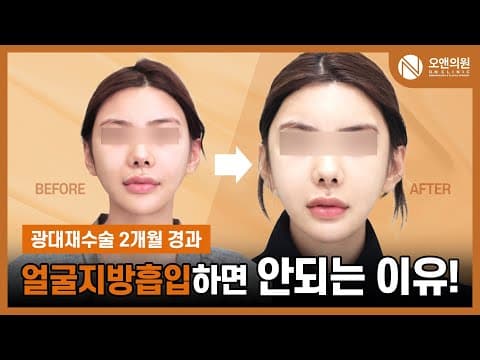
Hello. This is Dr. Myungjun Oh from On Clinic. Today, I'd like to delve into the potential side effects of facial contouring surgery and their solutions, using the case of a patient who experienced stress due to asymmetry and non-union after revision cheekbone surgery at another hospital. This patient visited our clinic two months after her initial surgery. CT scans showed good union of the cheekbones and stable fixation pins, indicating that the bone-related issues were resolved. However, the patient complained that while her cheekbone area felt narrower, her temple area appeared to protrude, making her facial line look unnatural. This is a common concern many people experience after facial contouring surgery.
Causes of Temple Protrusion and the Importance of Botox Treatment
Looking at the patient's face before surgery, her cheekbones protruded more than her temples, so the presence of her temporalis muscle was not very noticeable. However, as the central part of the face moves inward with cheekbone reduction surgery, the temporalis muscle in the temple area can appear relatively more prominent. This can be seen as a visual illusion resulting from changes in the proportion of soft tissues following bone alteration. In such cases, a simple and effective improvement can be achieved with Botox injections to reduce the temporalis muscle in the temple area. Botox works by temporarily paralyzing muscle movement to reduce its volume, and the patient is expected to see a natural reduction in the temple area and a smoother facial line over time after the procedure.
Misconceptions about Cheek Sagging: Proceed with Caution Regarding Liposuction
The patient felt she had excess fat in her cheek area and expressed a desire to resolve this through liposuction. However, I absolutely do not recommend liposuction for sagging cheeks or unnecessary facial volume that occurs after facial contouring surgery. This is because, in most cases, post-contouring cheek sagging is not simply a problem caused by an excessive amount of fat.
If liposuction is performed on areas that are not primarily fat, it can lead to side effects such as scar tissue formation and hardening of the skin, without significant volume change. Especially when the skin and soft tissues are still in the recovery process after bone surgery, such procedures can hinder healing and lead to unexpected results, making them an absolute method to avoid.
In the past, there were not many effective non-surgical methods for skin contraction, so liposuction was sometimes performed out of necessity. However, with advancements in modern medical technology, various energy devices and treatments such as Ulthera, Thermage, Titanium, and HIFU lifting have been developed, allowing for much safer and more effective skin contraction and fat management. These devices promote collagen production from deep within the skin and reduce the fat layer, providing natural lifting and tightening effects.
On Clinic's Post-Contouring Surgery Skin Contraction and Tightening Program
At On Clinic, we offer a systematic and customized program to improve skin sagging and unnecessary volume that may occur after facial contouring surgery. This program is characterized by close collaboration between plastic surgery and dermatology to provide optimized solutions for each individual patient.
- Accurate Diagnosis and 1:1 Customized Design: As a board-certified plastic surgeon, I meticulously analyze the patient's facial structure and skin condition, then personally design a plan tailored to their skin type, thickness, elasticity, and desired final facial line. During this process, I compare 3D CT images with the actual face to envision the most ideal contour.
- Optimal Device Treatment through Collaboration with Dermatology: Following my designed plan, a dermatologist uses the most suitable energy devices for the patient's skin to effectively contract the skin and fat.
- Titanium Lifting: Especially when swelling remains or further skin contraction is needed, Titanium lifting uses powerful thermal energy to contract the skin layers and induce collagen regeneration, aiding in elasticity improvement. Satisfactory results can usually be achieved with 2-3 sessions.
- Thermage/Ulthera: For overall elasticity improvement and lifting effects from the deep to superficial layers of the skin, Thermage or Ulthera treatments are recommended. These utilize radiofrequency or high-intensity focused ultrasound energy to regenerate collagen within the skin and contract lax tissues. While effective alone, they can be combined with Titanium to maximize synergistic effects.
- Fat-Dissolving Injections and HIFU Lifting: If there is localized fat accumulation in specific areas or if more delicate facial line improvement is needed, fat-dissolving injections can be combined with HIFU-based lifting treatments to reduce unnecessary fat and further tighten the skin.
These treatments can be performed approximately 3 times, aligning with recovery stages such as 2 months, 6 months, and 10 months post-contouring surgery. The most appropriate combination and number of sessions will be determined based on the patient's progress and an accurate diagnosis. On Clinic's goal is not merely to reduce protruding areas, but to restore skin elasticity and create a more harmonious and natural overall facial line.
Facial contouring surgery is a highly complex process that requires considering not only bone changes but also changes in the skin and soft tissues. Therefore, I want to emphasize the importance of thorough consultation with experienced and specialized plastic surgery and dermatology medical staff to find the optimal solution tailored to your needs.
Dr. Myungjun Oh, On Clinic | Last Reviewed 2026-05-23